Syndicated Research · Wave 1 · Live · June 2026
Beyond what they say. Into what they choose.
Experience Economy 2.0 Wave 1 goes beyond asking affluent consumers what they value. Through qualitative depth, quantitative choice modeling, MaxDiff and behavioral segmentation, it examines the trade-offs behind their choices - and where conventional assumptions about luxury begin to break down.
- Verified HNWI and UHNWI
- 500+
- Global markets
- 6
- Qualitative conversations
- 9
- Conjoint + MaxDiff + behavioral segmentation
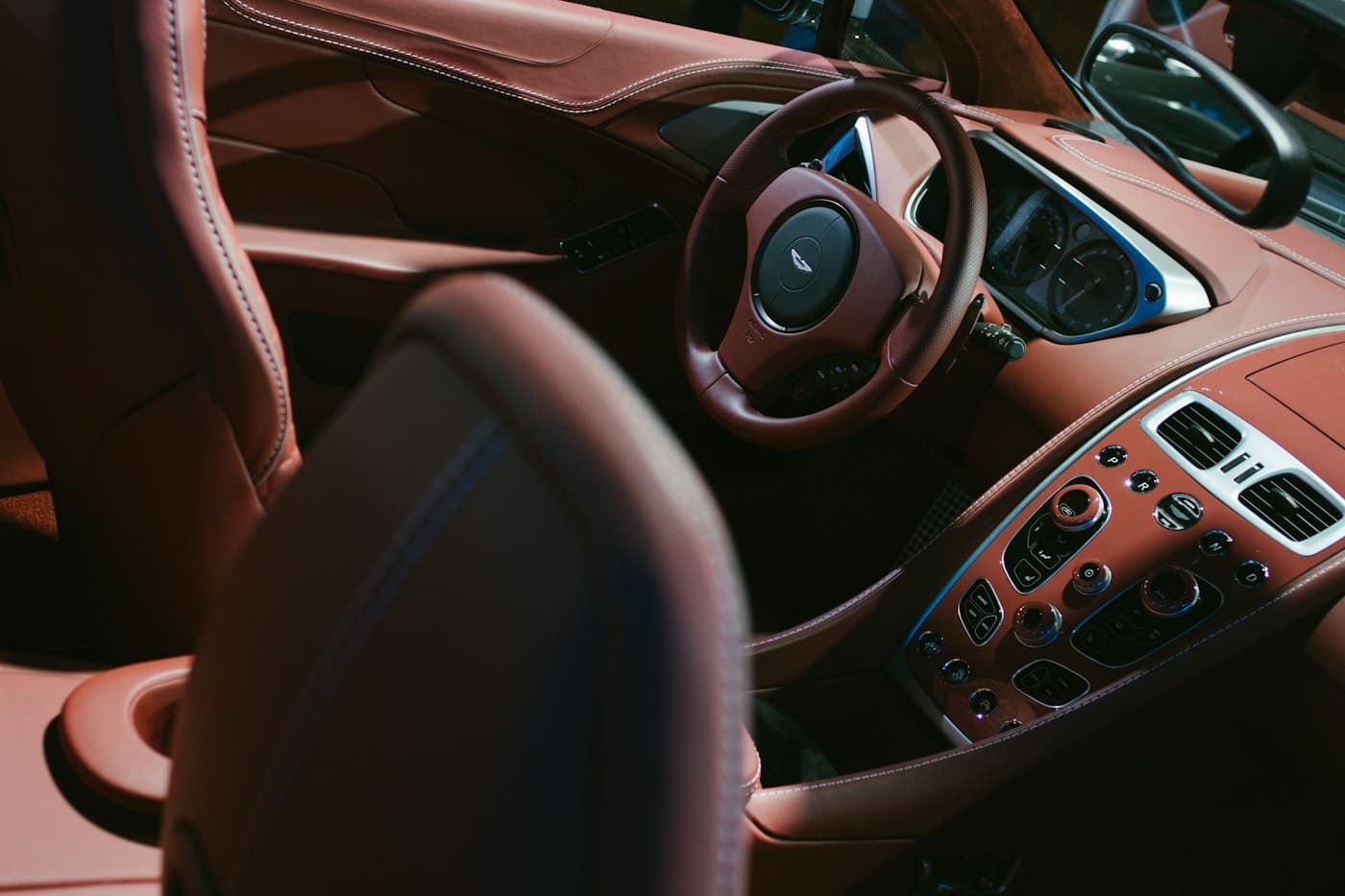
Automotive
A luxury car needs to deliver more than a prestigious name.
Build quality mattered more than any other attribute tested, while manufactured exclusivity mattered least.
See the Findings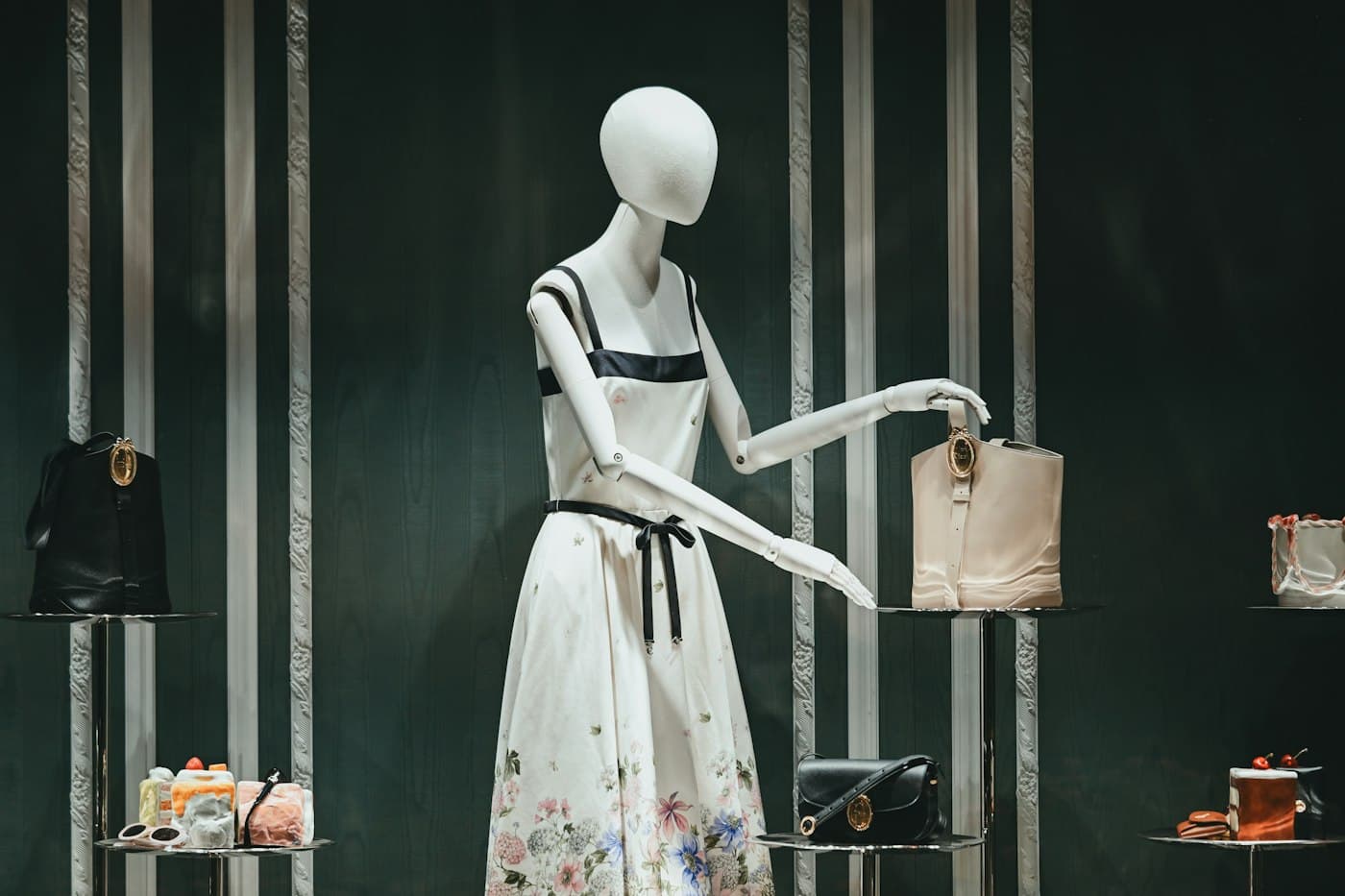
Retail - Fashion and Beauty
Being hard to get doesn’t always make something more desirable.
Exclusive access ranked lowest among the attributes tested. The people chasing a limited-edition release may not be the same people making the most valuable purchases.
See the Findings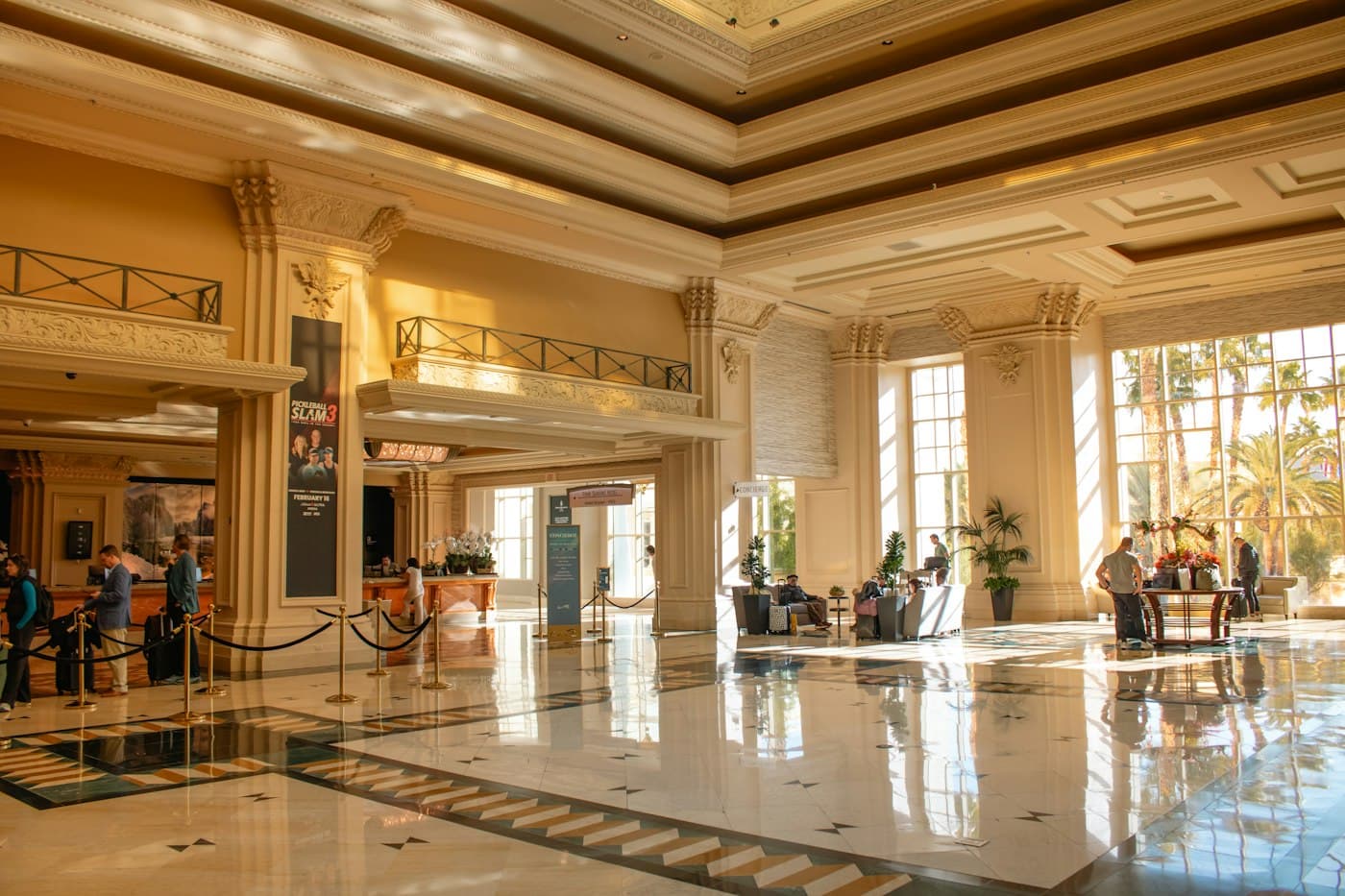
Hospitality
Luxury hospitality is ultimately about what the experience makes possible.
Time with people who matter ranked highest among the attributes tested, while being seen ranked last.
See the Findings
Financial Services & Wealth Management
For wealthy clients, feeling understood matters more than special access.
Privileged access ranked lowest of twelve attributes. Having an advisor who genuinely understands them mattered more.
See the FindingsResearch Design
From lived experience to measurable decision behavior
Wave 1 follows a deliberate sequence:
- Depth
- Validation
- Modeling
- Synthesis
Qualitative conversations first surfaced the language, emotions, tensions and unmet needs surrounding luxury. Those insights informed the quantitative instrument.
Conjoint analysis then modeled the trade-offs respondents make between competing luxury attributes, while MaxDiff isolated the attributes they prioritize within specific categories. Finally, behavioral segmentation brought those preference patterns together to reveal distinct ways of making luxury decisions.
The result is not simply a collection of attitudes. It is a preference architecture.
01
Sample and geographic coverage
Qualified respondents: High-Net-Worth Individuals (USD 1M-30M investable assets) and Ultra-High-Net-Worth Individuals (USD 30M and above), verified against region-specific thresholds and confirmed as primary or joint decision-makers or strong influencers in luxury purchases. Wave 1 spans six markets across four regions: the Americas, Europe, the Middle East and Asia-Pacific.
02
Qualitative depth
In-depth interviews, twenty minutes, semi-structured, remote and moderated, ran with verified HNWI and UHNWI individuals across every market, moving through luxury as lived experience, scenario-based exploration, a recent purchase walk-through, generational context, and where luxury currently falls short.
03
Quantitative structure
The survey moved through eight stages: screening and qualification; defining luxury in the respondent’s own terms; conjoint-based decision scenarios; a reflection layer on decision style; category engagement; category-specific MaxDiff deep dives; a gaps-and-friction module; and a final open-ended section on emerging expectations.
04
Analytical framework
Choice-based conjoint models trade-offs under real constraint; MaxDiff isolates true priority within a category; derived segmentation clusters respondents by how they decide. Every output is read across wealth band (HNW, VHNW, UHNW, SUHNW), geography and generation.
05
Data quality and compliance
Every respondent is verified against localized investable-asset thresholds and cross-checked for logical consistency. The program is fielded to ESOMAR guidelines, the MRS Code of Conduct, and GDPR and CCPA requirements, with reporting held at an aggregate level unless explicit permission is given.
Wave 1 is available in full to subscribers. Subscribers may add their own questions to Wave 2 before it fields in October 2026.
Fielded to ESOMAR standards. ISO 27001 information security. GDPR, CCPA and DPDP compliant.